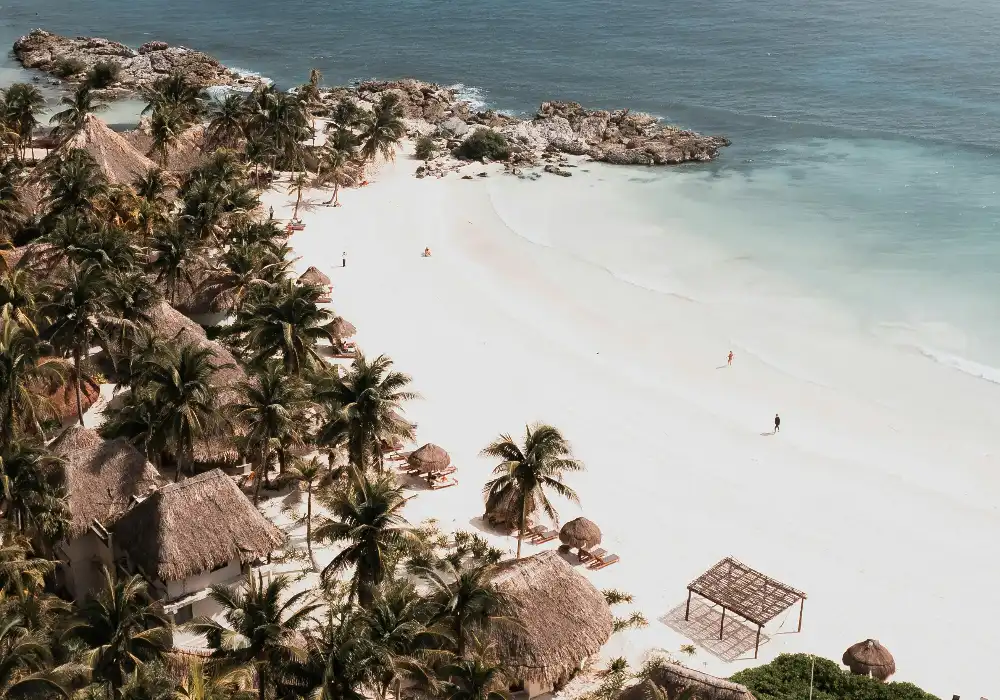
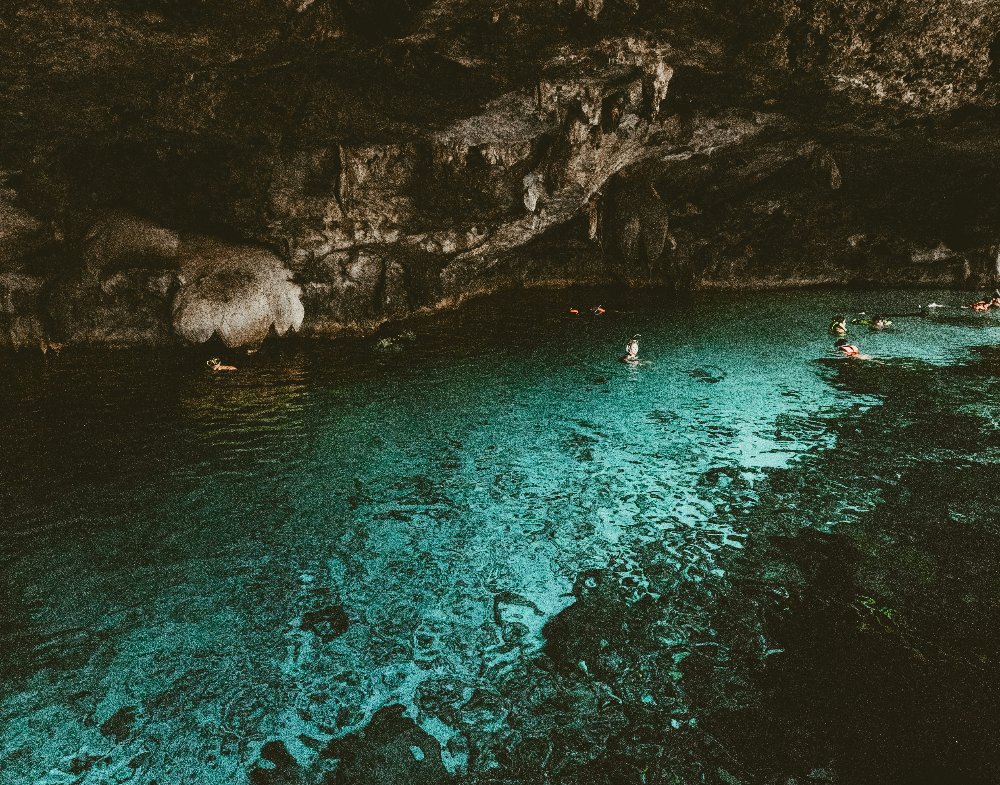
Tulum is a town on Mexico’s Caribbean coast, about two hours south of Cancún. It was once a quiet fishing village, known only to backpackers and divers. Over the past two decades, it has grown into a global destination, attracting travelers, wellness seekers, and investors. Despite its growth, Tulum has retained much of its natural beauty, with white sand beaches, dense jungle, and cenotes—natural sinkholes filled with freshwater.
The town is divided into three main areas: Tulum Pueblo (Downtown), the Beach Zone, and Aldea Zama/La Veleta, where most new developments are concentrated. The Beach Zone is known for boutique hotels, restaurants, and beach clubs, while the town center is home to local markets, cafes, and residential areas.
Tulum is also part of the Mayan Riviera, with the Tulum Ruins overlooking the Caribbean Sea. The area is rich in biodiversity, with the Sian Ka’an Biosphere Reserve protecting mangroves, lagoons, and coral reefs. Many developments in Tulum are designed with sustainability in mind, using natural materials and off-grid solutions like solar power and water recycling.
Tulum’s infrastructure is still developing. Roads in some areas remain unpaved, and utilities like electricity and internet vary depending on the neighborhood. However, new projects—including a highway expansion, improved water systems, and the upcoming Maya Train—are expected to improve connectivity and services in the coming years.
Tulum is surrounded by nature. The coastline features some of Mexico’s most well-preserved beaches, while the inland jungle is home to howler monkeys, tropical birds, and cenotes. The Great Mayan Reef, the second-largest coral reef system in the world, runs just offshore.
Tulum’s Mayan heritage is still visible today. The Tulum Ruins, perched on a cliff overlooking the sea, are among the most visited archaeological sites in Mexico. Deeper in the jungle, the ruins of Cobá feature one of the tallest Mayan pyramids, accessible by a short drive from town.
Tulum has changed significantly over the past 20 years. What was once a collection of small hotels and eco-cabanas along the beach has expanded into a diverse real estate market. Development started along the coastline and has since moved inland, creating new residential areas like Aldea Zama, La Veleta, and Region 15.
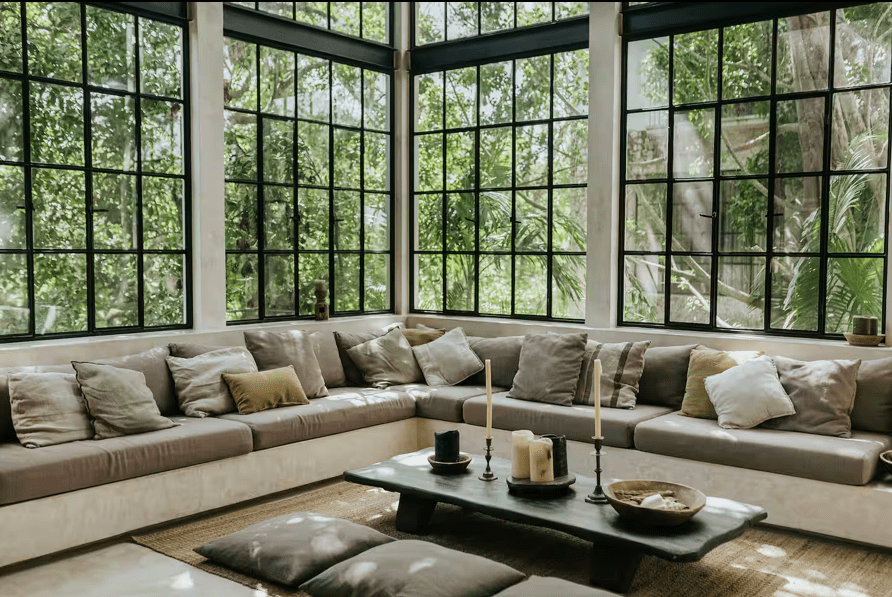
In the early 2000s, most homes in Tulum were built with traditional materials like palapa roofs and locally sourced wood. Today, new developments incorporate modern architecture with open spaces, natural ventilation, and energy-efficient features. The rise in eco-conscious tourism has also influenced real estate trends, with many properties offering solar panels, water filtration systems, and biodegradable building materials.
Infrastructure has also evolved. While some areas still rely on solar power and water trucks, others have access to municipal utilities. Fiber-optic internet is becoming more common, especially in newer developments catering to remote workers and investors. Road improvements and the expansion of the Maya Train are expected to further shape Tulum’s real estate landscape in the coming years.