The Tulum Ruins: A Window into the Past
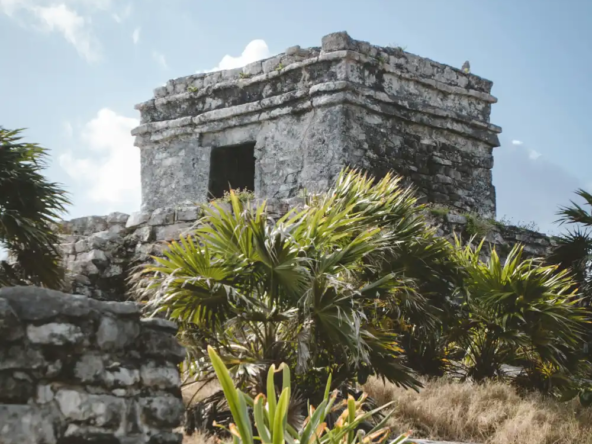
One of the most iconic symbols of Tulum’s Mayan heritage is the Tulum Ruins, an ancient walled city perched dramatically on a cliff overlooking the turquoise Caribbean Sea. These ruins are among the best-preserved coastal Mayan archaeological sites in Mexico and draw visitors from around the globe to explore their historical and cultural significance. The Tulum Ruins were once a vital port town for the Mayan people and served as a center for trade, religion, and governance. Today, the site offers a glimpse into the lives of the Mayans, with structures like the Temple of the Wind and El Castillo—the castle—still standing tall, providing panoramic views of the sea below.
The Tulum Ruins were also strategically placed to protect the city from invaders, and the fortified walls that remain today are a testament to the ingenuity of the Mayan people. For visitors, it’s not just an archaeological site; it’s a spiritual journey, standing in awe of the civilization that once flourished in this stunning location.
Cobá: A Hidden Gem in the Jungle
For those willing to venture a little deeper into the Yucatán jungle, the ancient city of Cobá offers another extraordinary opportunity to experience Tulum’s Mayan heritage. Located about a 45-minute drive from the town of Tulum, Cobá is home to one of the tallest Mayan pyramids, the Nohoch Mul Pyramid, which stands at nearly 140 feet tall. Unlike many other archaeological sites, Cobá allows visitors to climb the pyramid, offering an exhilarating view of the surrounding jungle.
Cobá, once a thriving city with a population of over 50,000 people, is also known for its extensive network of sacbeob—ancient white stone roads that connected the city to other Mayan settlements. The site is surrounded by dense jungle, where you can spot howler monkeys, tropical birds, and other wildlife, making it an immersive experience in both history and nature. The serenity of the jungle and the grandeur of the pyramid create a peaceful and awe-inspiring atmosphere that truly brings the ancient world to life.
Tulum’s Natural Wonders: A Sacred Landscape
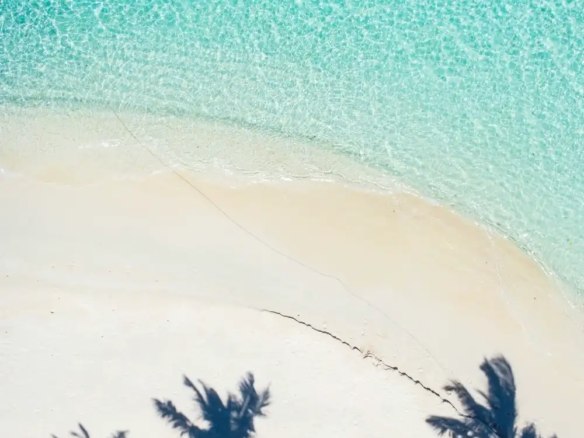
Tulum’s Mayan heritage is intricately connected to its natural surroundings. The region is home to some of the most beautiful beaches in Mexico, with soft white sand, crystal-clear waters, and vibrant marine life. Just offshore lies the Great Mayan Reef, the second-largest coral reef system in the world. This massive underwater ecosystem is a haven for divers and snorkelers, offering a chance to explore vibrant coral gardens, marine species, and even ancient underwater caves, known as cenotes.
Cenotes are natural freshwater sinkholes formed over thousands of years, and they hold great cultural and spiritual significance for the Mayan people. The Mayans believed cenotes were gateways to the underworld, where they could communicate with the gods. Many cenotes, such as Gran Cenote and Cenote Dos Ojos, are easily accessible and offer visitors a chance to swim in crystal-clear waters surrounded by lush jungle—an experience that feels both magical and ancient.
A Living Culture: Modern-Day Tulum and the Mayan Influence
While Tulum has become a popular destination for eco-tourism and wellness retreats, its Mayan roots remain deeply embedded in the culture of the town. The town’s name itself is derived from the Mayan word for “wall,” referencing the ancient fortifications at the Tulum Ruins. Many of the local artisans in Tulum still practice traditional crafts that date back to Mayan times, such as weaving, pottery, and carving. The region’s food culture, with a focus on local, fresh ingredients such as corn, chili, and squash, is also influenced by Mayan culinary traditions.
Moreover, Tulum’s spiritual and wellness communities are often inspired by ancient Mayan beliefs and practices. Many people visit Tulum to experience yoga retreats, meditation centers, and healing practices that are rooted in the philosophy of balance and connection to nature. Tulum has become a place where modern life meets the wisdom of the past, offering a unique space for spiritual exploration and personal growth.
A Place of Legacy and Preservation
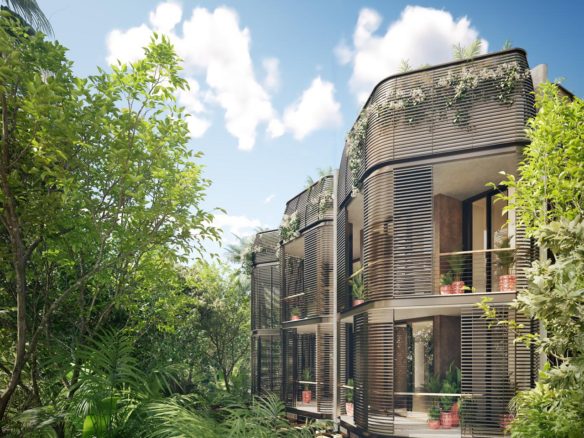
As Tulum grows and attracts global attention, there is an increasing focus on preserving its Mayan heritage and natural landscapes. Sustainable development practices are being prioritized to protect the delicate ecosystems that surround the town and to ensure that the town’s growth does not come at the cost of its historical and environmental treasures. In this way, Tulum’s Mayan roots continue to shape its future, reminding us of the importance of maintaining a balance between modern development and respect for the past.
In Conclusion: A Legacy of Beauty, Culture, and Nature
Tulum’s Mayan heritage is not just something of the past—it is alive today, woven into the fabric of the town’s culture, landscape, and way of life. From the Tulum Ruins perched above the Caribbean Sea to the hidden treasures of Cobá, the area is a living museum of ancient culture surrounded by the natural beauty of the jungle, beaches, and cenotes. For visitors and investors alike, Tulum offers a rare opportunity to engage with history while enjoying one of the world’s most beautiful destinations. Whether you’re exploring ancient ruins, swimming in cenotes, or simply soaking up the sun on its beaches, Tulum is a place where the past and present harmoniously coexist, creating a truly unforgettable experience.