The Growth of Tulum’s Real Estate Market
Tulum’s development began along the coastline, where the first resorts and accommodations emerged to cater to the early wave of visitors. These developments focused on maintaining the town’s natural beauty, incorporating sustainable practices and simple, rustic designs. Over time, the demand for properties in Tulum expanded beyond the beach, pushing developments inland and creating new residential areas such as Aldea Zama, La Veleta, and Region 15.
These inland areas have become increasingly popular due to their proximity to the town center, more affordable prices, and the availability of larger plots of land for development. As Tulum continues to grow, the demand for both residential and commercial properties has skyrocketed, leading to new neighborhoods and areas that offer diverse living options for both long-term residents and short-term visitors.
From Traditional to Modern: The Evolution of Tulum’s Architecture
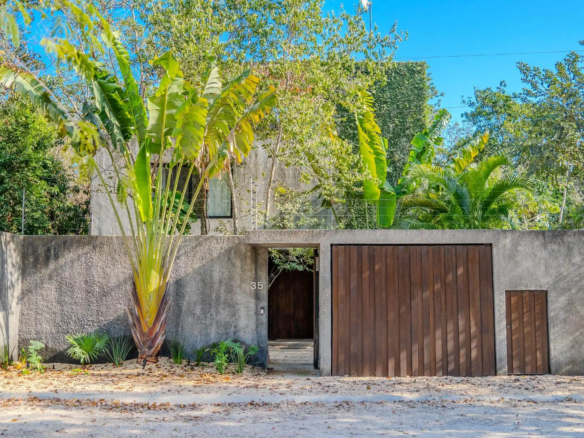
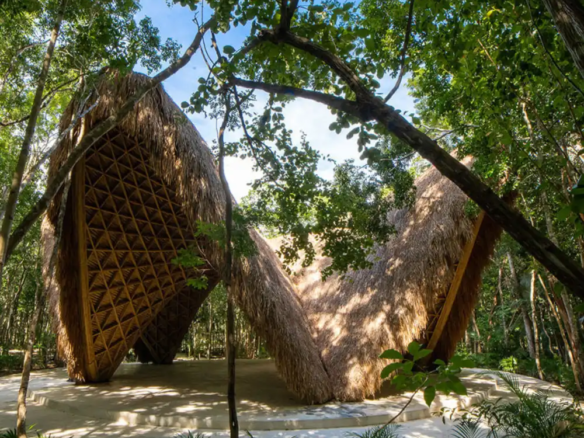
In the early 2000s, Tulum’s real estate was characterized by traditional architecture, featuring palapa roofs, locally sourced wood, and rustic finishes. These structures were designed to blend seamlessly with the natural environment, prioritizing sustainability and simplicity.
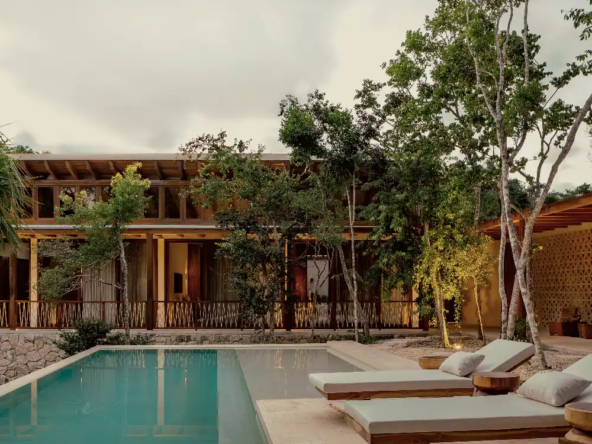
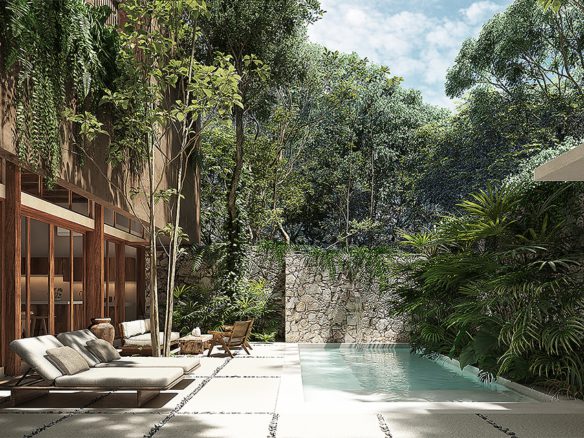
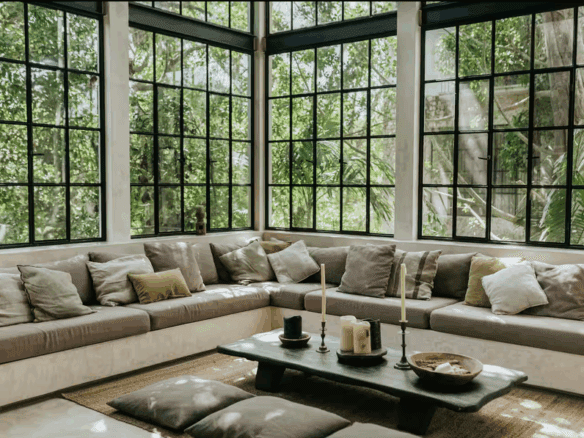
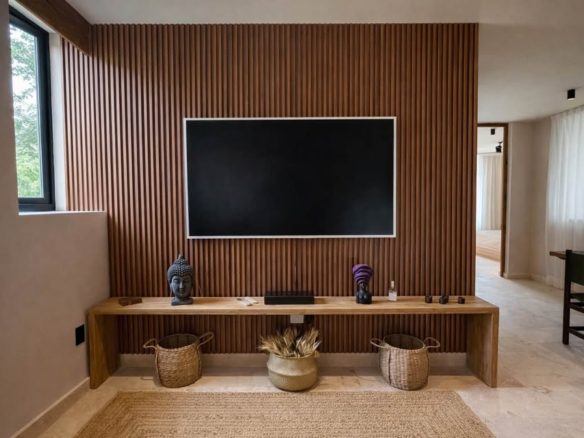
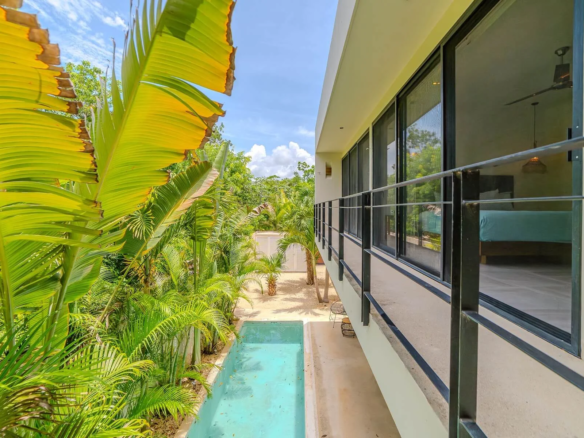
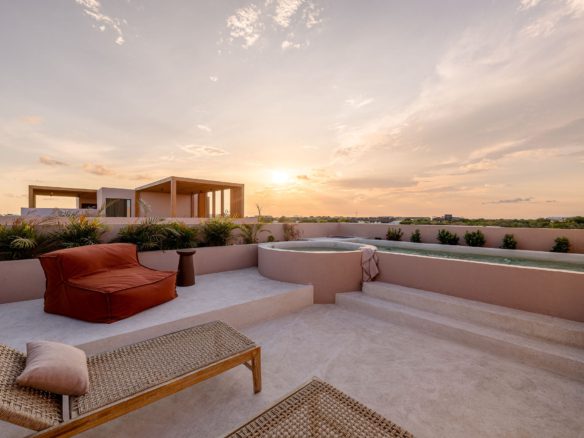
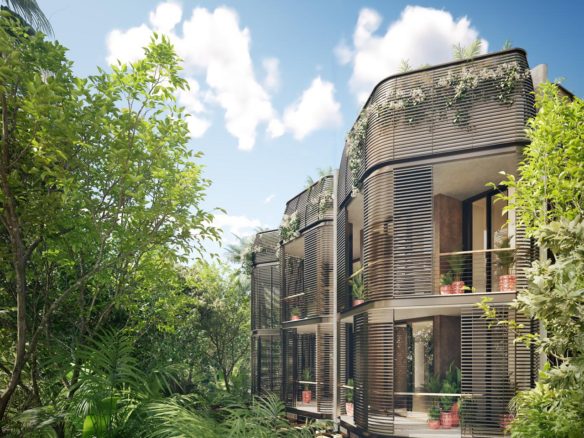
However, as the town has evolved, so too has its architecture. New developments in Tulum now feature modern designs with sleek lines, expansive glass windows, and open-concept layouts that make the most of Tulum’s stunning natural surroundings. Many of these newer homes incorporate natural ventilation, energy-efficient systems, and open spaces, creating homes that not only look beautiful but also enhance the quality of life for their inhabitants. These designs also aim to minimize the impact on the environment while maximizing comfort and livability.
The rise of eco-conscious tourism has also influenced Tulum’s real estate market. Today, many developments offer sustainable features like solar panels, water filtration systems, and biodegradable building materials. These eco-friendly elements appeal to the growing number of investors and homeowners who are seeking to align their values with their property choices. Tulum’s commitment to sustainability ensures that it remains a top destination for conscious living, making it an attractive choice for those who want to live in harmony with nature.
Infrastructure Improvements: Shaping Tulum’s Future
While Tulum has remained a relatively small town compared to major urban centers in Mexico, its infrastructure has evolved significantly to support its growing population and real estate market. In the past, many areas of Tulum relied on solar power and water trucks, making it more challenging to support a larger population. However, as development has expanded, so too has access to municipal utilities. In many of the newer developments, residents now enjoy access to electricity, water, and high-speed internet.
The increasing availability of fiber-optic internet is especially important for remote workers and investors who have made Tulum their base of operations. The town has become a hub for digital nomads, entrepreneurs, and those seeking a lifestyle change, and the availability of fast, reliable internet is a critical factor in this growing community.
Tulum’s road infrastructure has also seen improvements, making it easier to navigate between residential areas, the beach, and nearby attractions. The Maya Train project, which is set to connect various towns and cities across the Yucatán Peninsula, will also have a significant impact on Tulum’s real estate market. This high-speed rail system will improve connectivity between Tulum and other major cities, making it even more accessible for both tourists and residents.
Looking to the Future: Tulum’s Real Estate Potential
Tulum’s real estate market is poised for continued growth in the coming years. As more people from around the world flock to the region to experience its natural beauty and unique lifestyle, demand for properties will only increase. The combination of eco-conscious living, modern amenities, and a thriving rental market makes Tulum an attractive destination for both investors and those looking to make it their home.
For investors, Tulum presents an opportunity to invest in a sustainable market with high rental potential. Whether you’re looking to purchase a vacation home, rental property, or commercial space, Tulum offers diverse options in both luxury and eco-friendly developments. With improvements to infrastructure and the expansion of services, Tulum is set to continue its upward trajectory, offering both lifestyle and financial benefits to those who choose to invest in the area.
As Tulum’s real estate market continues to mature, it will undoubtedly remain a top destination for those seeking to live in one of Mexico’s most beautiful and culturally rich regions. Whether you’re looking for a luxury villa, a modern condo, or an eco-friendly retreat, Tulum’s real estate market offers endless opportunities for those who want to live, invest, and grow in a place that perfectly blends nature with modern living.