Rapid Growth and Development
Tulum’s explosive growth has led to the development of new neighborhoods, luxury resorts, and residential areas. However, despite the town’s expansion, Tulum is still in the process of building and improving its infrastructure to meet the needs of its growing population and increasing number of visitors. As more international travelers and long-term residents flock to Tulum, key infrastructure projects are being undertaken to support the demand for services, utilities, and transportation.
The town’s commitment to sustainability is evident in the way infrastructure is being developed, with a focus on maintaining Tulum’s natural beauty while providing the modern conveniences residents and tourists expect. From improving roadways to enhancing connectivity, these ongoing efforts are essential to ensuring that Tulum remains a top-tier destination for both vacationers and investors.
Roads and Transportation: Improving Accessibility
While Tulum is still developing in many areas, its road infrastructure has been significantly improved in recent years. New paved roads and the widening of existing ones have made it easier to travel to and from Tulum, both for residents and visitors.
The Tulum-Coba Road and Tulum-Playa del Carmen Highway have been upgraded, providing smoother access to neighboring towns, the beach, and the airport. These improved roadways also make it easier for residents to commute to work or run errands, and they support the tourism industry by making it more convenient for visitors to travel around the region.
In addition to these improvements, Tulum has plans for more extensive road development in the coming years, including new routes that will connect Tulum with the broader Riviera Maya region. As Tulum continues to grow, these expanded roadways will play a crucial role in enhancing transportation efficiency and accessibility.
International Airports: Connecting Tulum to the World
Tulum has long been accessible via Cozumel International Airport and Cancún International Airport, both of which are about an hour and a half away by car. However, with the growing popularity of Tulum, the town now boasts its own Tulum International Airport, which opened in 2023 and is quickly becoming a key transportation hub for travelers to the region.
The new Tulum International Airport offers direct flights from cities across North America and Europe, making it more convenient for international tourists to visit. This airport not only reduces travel time for visitors but also enhances Tulum’s connectivity to global markets, making it even more attractive for investors, businesses, and remote workers looking to make Tulum their home.
The airport is a crucial part of Tulum’s expansion, and with future plans for additional terminals and services, it is expected to become a major player in supporting the town’s economy and facilitating the influx of both visitors and long-term residents.
Maya Train: A New Era of Connectivity
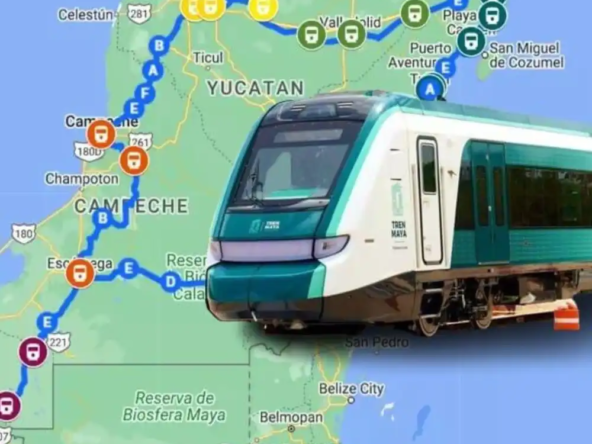
One of the most exciting infrastructure developments for Tulum is the Maya Train project, which will revolutionize travel across the Yucatán Peninsula. The Maya Train is a high-speed rail network that will connect various key locations throughout the region, including Cancún, Playa del Carmen, Tulum, and Chetumal.
Once completed, the Maya Train will make it easier for people to travel between Tulum and other major tourist destinations along the Riviera Maya. It will reduce travel times, provide a more efficient means of transportation, and open up new opportunities for both locals and visitors. This ambitious infrastructure project will also increase tourism in the region, as the train will allow tourists to explore the wider area with ease.
The Maya Train is not only a game-changer for transportation but also for the real estate market. With improved access to and from other towns and cities, the train will help unlock new opportunities for investment and development in Tulum, particularly in areas that were previously more difficult to reach.
Connectivity: Embracing Digital Transformation
As Tulum’s real estate market grows, connectivity is becoming increasingly important. Over the last few years, high-speed internet has become more widely available, particularly in the town’s newer developments and commercial areas. With a growing community of remote workers, digital nomads, and entrepreneurs, the need for reliable internet access is paramount. Tulum is quickly becoming a hotspot for those looking to balance work and leisure, and the expansion of internet infrastructure supports this lifestyle.
In addition to digital connectivity, Tulum’s mobile network coverage and telecommunications services are improving to meet the needs of both residents and businesses. The combination of better roadways, an international airport, the Maya Train, and improved internet access makes Tulum an increasingly connected and accessible destination for anyone looking to visit or make it their home.
Looking to the Future: A Well-Connected Tulum
Tulum’s growth is a testament to its enduring appeal as a destination for those seeking a balance between luxury living, natural beauty, and sustainability. As the town’s infrastructure continues to develop, the focus on improving connectivity through better roads, the Maya Train, and enhanced digital access will be key to sustaining Tulum’s growth in a way that benefits both residents and visitors.
The improvements in Tulum’s infrastructure will help position the town as a leading destination for both tourism and real estate investment, with a focus on sustainability, convenience, and accessibility. Whether you’re visiting for a vacation or planning to invest in property, Tulum’s evolving infrastructure makes it a more attractive and connected place than ever before.
Tulum is no longer just a beach town—it’s a modern, thriving community with the infrastructure to match, and the future looks bright for both residents and investors alike.