Quality of Construction and Sustainability
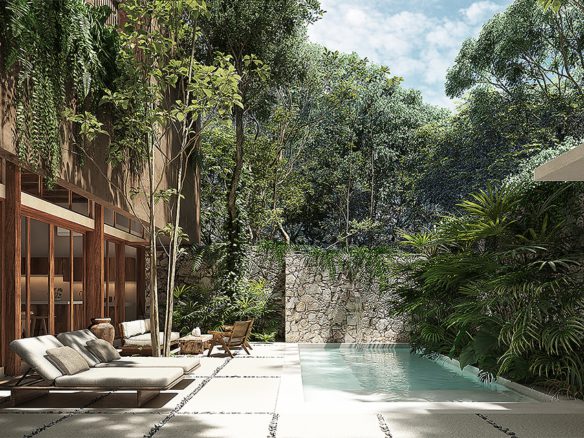
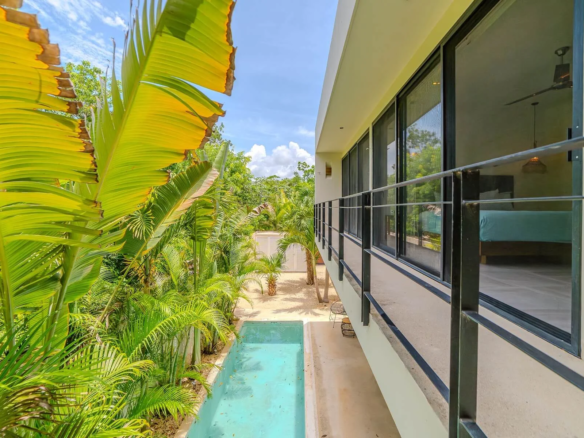
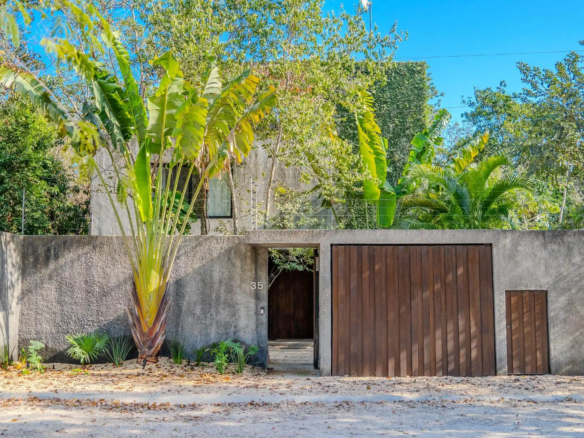
Tulum is known for its stunning beaches and lush jungles, but it also sits in a delicate environmental area. This means that the local climate—characterized by high humidity, heat, and occasional rain—can be tough on buildings that are not designed with these factors in mind. Quality construction is essential, not just for aesthetics but for the long-term durability of your property. Unfortunately, many developments in Tulum do not take the local climate into account, leading to buildings that can require expensive maintenance after just a few years.
When considering properties, always prioritize sustainable construction practices. Look for buildings that feature energy-efficient systems, solar panels, rainwater harvesting, and biodegradable materials. These features not only contribute to reducing your environmental footprint but also help lower your long-term maintenance costs and ensure the longevity of the property. Choosing properties that are built to withstand the local climate will help you avoid costly repairs and increase the value of your investment over time.
Location Matters: Established vs. Developing Areas
The location of your property in Tulum is one of the most important factors that can impact your investment’s potential for appreciation and rental income. Two of the most popular and well-established areas are Aldea Zama and La Veleta. Both areas offer accessibility, infrastructure, and attractive amenities, making them prime locations for long-term investment. Properties in these neighborhoods tend to hold their value well and are always in demand, both for vacation rentals and long-term tenants.
However, other areas in Tulum are still in the process of being developed, such as parts of Region 15 and areas further inland. These areas may offer lower initial prices, but they come with the potential for long-term appreciation as infrastructure improves. However, be aware that investing in underdeveloped areas might involve construction noise, lack of access to services, and unfinished roads. It’s important to weigh the potential for growth in these areas against the inconvenience of dealing with the ongoing development. As new roads are paved, and amenities like fiber-optic internet, water, and electricity become more widely available, these neighborhoods will likely see a rise in property values. But, it is essential to account for the time it will take for these areas to fully develop before deciding to invest.
Rental Strategy: Short-Term vs. Long-Term Rentals
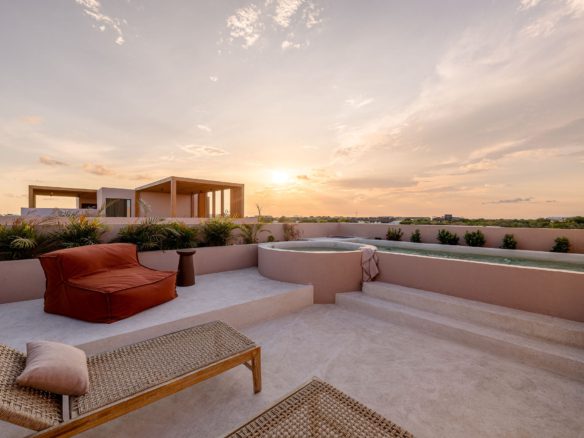
Tulum is a top destination for tourism and continues to see strong demand for short-term rental properties. The town’s high season, from December to April, brings in large numbers of visitors, and vacation rental properties can perform exceptionally well during this period. However, short-term rentals also come with certain challenges. Managing a short-term rental, especially if you’re living outside of Tulum, often requires hiring a property management service. These services typically include the booking process, guest communication, cleaning, maintenance, and managing the check-in and check-out procedures.
While short-term rentals offer excellent potential for high returns, they also come with greater fluctuations in occupancy rates, especially during the low season (May–November). It’s important to keep in mind that the ongoing maintenance and management costs can be high, and in some months, the occupancy rate may drop significantly.
Alternatively, long-term rentals present a more stable and lower-risk investment. Renters in Tulum are increasingly seeking long-term homes, either for work, study, or retirement. Long-term rentals can offer consistent income without the volatility of short-term rental demands. The downside is that long-term rents are typically lower than short-term rental rates, but they provide a steady, reliable income stream. For those looking to avoid the hassle of managing short-term rentals, long-term rentals may be a more appealing option.
Legal Considerations for Foreign Investors
As a foreigner, you can buy property in Tulum, but there are a few legal requirements to keep in mind. For properties located within 50 kilometers of Mexico’s coast or borders, foreigners must purchase land through a fideicomiso—a bank trust that allows the foreigner to benefit from ownership without holding the title directly. This process is legal and secure, but it is essential to work with a trusted notary or real estate lawyer to ensure that all legal aspects are properly handled.
It’s also important to conduct due diligence when purchasing property, which includes confirming property titles, ensuring there are no outstanding debts or disputes, and verifying zoning regulations. Working with a local expert who understands Mexican real estate laws can save you time and money in the long run.
Infrastructure and Development in Tulum
Tulum has made significant strides in infrastructure improvements over the years, including paving roads, improving municipal utilities, and expanding fiber-optic internet access. The ongoing development of the Maya Train project, which will connect Tulum with other major destinations in the Yucatán Peninsula, will further improve accessibility and is expected to bring significant real estate growth.
However, it’s crucial to understand that some areas are still evolving and may not yet have the full range of services available. When investing in a property, ensure that the area you are considering has access to essential utilities and services. For example, areas closer to the beach or main roads tend to have better infrastructure, while inland areas may still be lacking certain amenities.
Conclusion: Make Informed Decisions Before Investing in Tulum
Investing in real estate in Tulum can be highly rewarding, but it requires careful consideration of several factors. From choosing quality, sustainable properties and selecting the right location to understanding rental strategies and the evolving infrastructure, taking the time to do your research will ensure that your investment stands the test of time. Whether you’re looking to capitalize on short-term rental income or secure a long-term rental property, Tulum offers unique opportunities for both seasoned investors and newcomers.
As Tulum continues to grow, the potential for both capital appreciation and steady rental income remains strong. By considering these key factors and working with trusted local experts, you can confidently navigate the Tulum real estate market and secure a property that will be a valuable asset for years to come.