Energy Efficiency and Reduced Operational Costs
Sustainability in Tulum real estate is often defined by energy efficiency, a key factor in reducing both environmental impact and operational costs. With the integration of solar panels, smart HVAC systems, and LED lighting, these homes are designed to optimize energy use, significantly lowering utility bills over time. The abundant sunlight in Tulum makes solar energy a practical and cost-effective solution, particularly as properties remain cooler naturally, reducing reliance on air conditioning. For property owners who choose to rent, modern technologies allow property managers to control appliances remotely, further minimizing energy consumption and preventing waste. These savings, both for owners and tenants, make energy-efficient buildings a sustainable choice that helps preserve financial resources over time.
Healthier Living Spaces
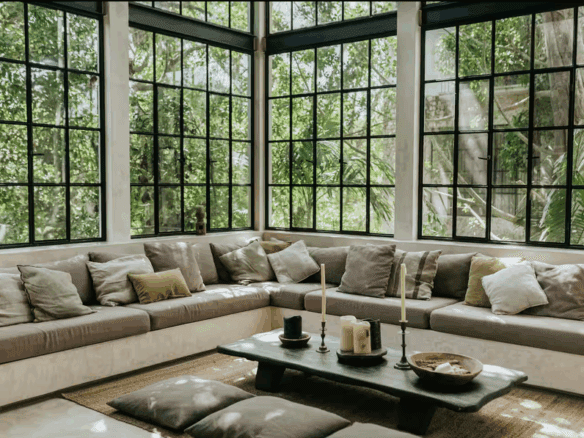
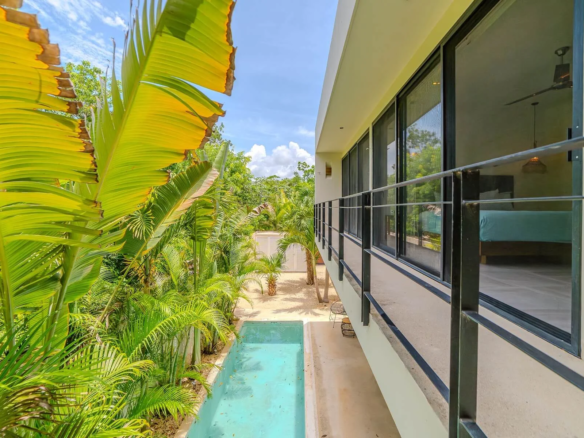
Beyond energy savings, sustainable properties in Tulum offer a healthier living environment. The focus on natural materials, superior air quality, and abundant natural light provides a contrast to the often chemically-laden and poorly ventilated spaces found in conventional buildings. These homes are designed to foster wellness by creating spaces that allow occupants to breathe cleaner air and enjoy natural surroundings, a key component of Tulum’s reputation as a destination focused on holistic well-being. Additionally, the use of natural ventilation in these homes reduces indoor humidity, which can often lead to mold or mildew buildup. This helps maintain a comfortable and healthy environment, especially important in Tulum’s humid climate.
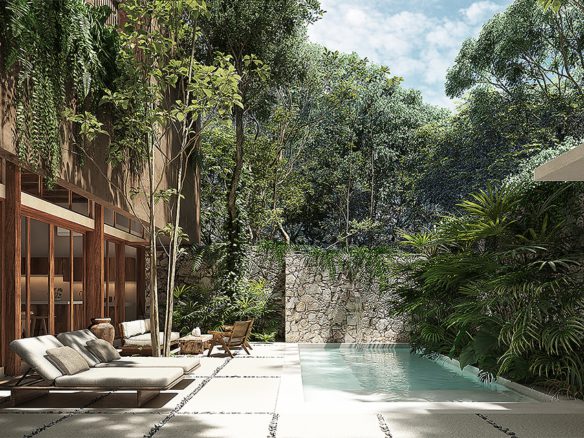
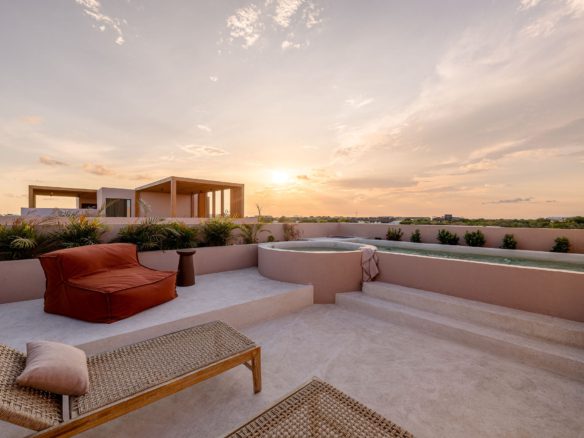
The common areas in many sustainable developments also contribute to this healthier living experience. By offering larger shared spaces like pools, gyms, and communal gardens, these buildings encourage residents to spend more time outdoors in fresh air, which is key to both physical and mental well-being. Social interactions in these areas also foster a sense of community, which has been shown to improve mental health and reduce stress. In Tulum, where wellness is a central part of the lifestyle, these features enhance the overall experience for residents and renters alike, making sustainable homes a preferred choice.
Climate Resilience
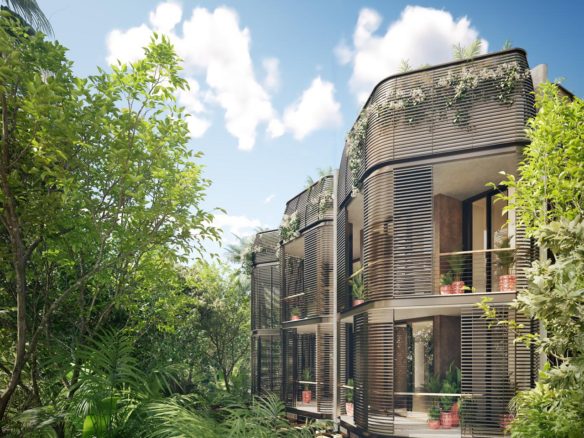
Tulum’s tropical climate presents a unique set of challenges, including high humidity, heat, and the potential for hurricanes. Sustainable buildings in the region are constructed with these environmental conditions in mind. From storm-resistant materials to designs that help regulate internal temperatures without relying on excessive cooling systems, sustainable homes are better equipped to handle the stresses of Tulum’s climate. These properties are also built with durability in mind, reducing the need for frequent repairs and ensuring long-term resilience. In an area where weather patterns can change rapidly, this resilience offers added peace of mind for homeowners and renters alike.
Environmental Impact
The real estate sector is one of the largest contributors to environmental degradation globally. According to the U.S. General Services Administration, 38% of global carbon emissions come from the real estate industry, and 50% of global energy consumption is tied to buildings. Furthermore, 72% of global electricity usage powers residential and commercial spaces, while 30% of global waste is generated by construction and demolition. Sustainable real estate addresses these concerns by focusing on renewable energy, resource-efficient materials, and waste reduction. In Tulum, where the natural environment is one of the primary draws, sustainable development offers a way to reduce the industry’s carbon footprint while preserving the unique beauty of the region.
Community Impact
Sustainable real estate also plays a critical role in supporting local communities. By sourcing materials locally and reducing the consumption of finite resources, these buildings contribute to a more sustainable local economy. Furthermore, by prioritizing green building practices, developers help mitigate the environmental impacts of construction on Tulum’s delicate ecosystem. The shift toward sustainable real estate reflects a broader trend of responsible growth, ensuring that the growth of the region does not come at the expense of its natural resources. For residents and investors alike, this commitment to sustainability contributes to a healthier, more balanced community.
Long-Term Value and Quality
Perhaps most importantly, sustainable real estate in Tulum is an investment in quality. These homes are designed to endure, utilizing durable, high-quality materials that stand the test of time. While the initial costs of building sustainably may be higher, the long-term benefits are clear. Sustainable properties tend to retain their value better than traditional homes, as they offer not only environmental benefits but also lower operational costs and resilience against climate change. In a market like Tulum, where demand for eco-conscious living is on the rise, these properties offer lasting value, both as personal homes and as investment assets.
Sustainable real estate in Tulum offers much more than just an eco-friendly home; it’s about living in harmony with the environment and fostering a healthy, community-oriented lifestyle. Whether you’re investing to live in Tulum or for rental income, these properties provide long-term value, lower operational costs, and resilience to the region’s climate. They align with the growing demand for responsible, sustainable development, ensuring that your investment is not just financially sound, but also beneficial to the local community and the environment.